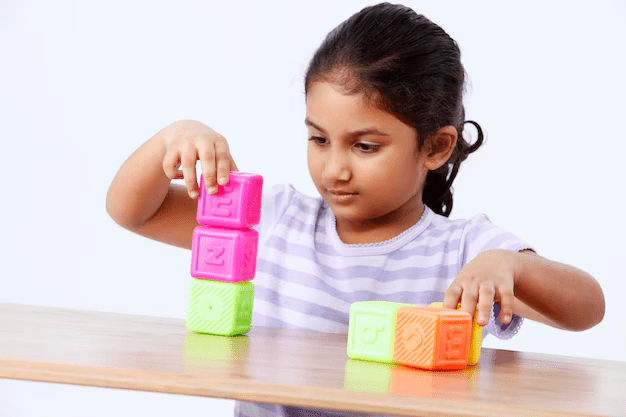

In today’s digital world, excessive screen exposure often affects focus, sleep, and emotional balance in children. Screen-free learning allows children to engage fully using their hands, eyes, and mind together. Activities such as writing, drawing, calculating, and strategic games activate multiple brain areas and improve coordination. Children stay present, attentive, and more connected to the learning process when screens are removed.
Screen-free environments also encourage patience, creativity, and deeper understanding. Children learn to listen, observe, and practice without distractions. This form of learning builds discipline and healthy study habits early in life. By reducing screen dependency, children develop stronger attention spans, better social interaction, and improved emotional stability, making learning more effective and enjoyable.